National Highways Urges Fleet Operators to Adopt Life-Saving Driver Training
- Safer Highways
- Apr 22
- 2 min read

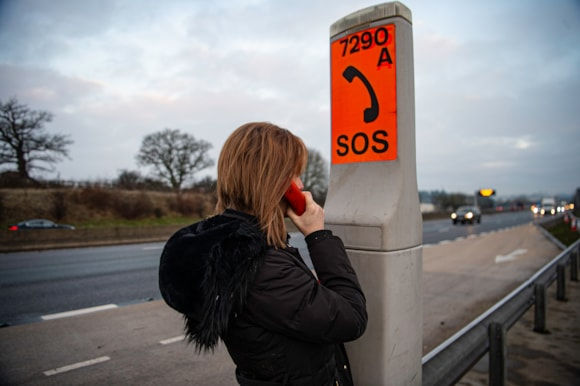
National Highways is encouraging businesses that manage commercial vehicle fleets to introduce new driver training aimed at improving safety and potentially saving lives on the road network.
The free online course, which takes under an hour to complete, has been created in collaboration with medical trauma experts. It is designed to equip drivers with the knowledge needed to respond effectively in the crucial moments following a road collision.
With more than five million vans currently on UK roads, commercial drivers are often among the first to arrive at incident scenes. The training focuses on helping them take safe, practical steps before emergency services reach the location.
Launched at the Commercial Vehicle Show at Birmingham’s NEC, the programme consists of three short modules. These cover how to make an effective 999 call, assess and manage risks at the scene, and provide basic first aid.
The content aims to offer clear, practical guidance to help drivers stay safe, minimise further harm, and avoid unintentionally worsening a situation.
National Highways highlighted that in 2024, 1,931 people were killed or seriously injured on England’s motorways and major A roads. While preventing incidents remains a priority, improving the response immediately after collisions is also seen as a key part of enhancing road safety.
Research suggests that as many as 50% more lives could be saved if bystanders administered first aid while waiting for emergency services.
Mark Cartwright, Head of Commercial Vehicle Incident Prevention at National Highways, said the initiative is about providing realistic, supportive guidance rather than placing pressure on drivers. He noted that with freight traffic heavily reliant on motorways and major A roads, commercial drivers are well positioned to make a difference in emergency situations.
The training has been developed with input from Professor Tim Nutbeam, a specialist in emergency and prehospital care at Plymouth Hospitals NHS Trust and Devon Air Ambulance, as well as director of the IMPACT research centre.
Professor Nutbeam emphasised the importance of early intervention, stating that the first few minutes after a collision can be critical in improving outcomes. He added that the training is intended to give drivers basic, practical knowledge while ensuring their own safety remains the top priority.
National Highways is now calling on organisations to incorporate the modules into their driver training programmes, helping to build a network of individuals better prepared to respond when it matters most.


Comments