HS2 Reset Delayed Further Amid Rising Costs and Uncertainty
- Safer Highways
- May 5
- 2 min read

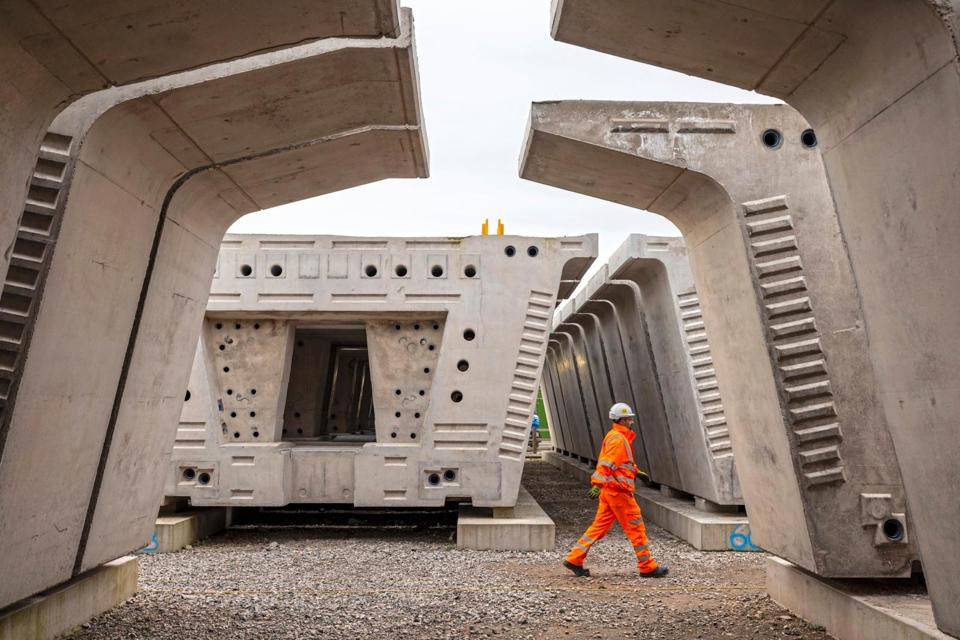
The long-awaited “reset” of the HS2 project has been delayed again, with no clear timeline for its publication as costs continue to rise and key questions remain unanswered.
Originally promised for 2025 by HS2 Ltd chief executive Mark Wild, the reset has yet to materialise. With Parliament now in recess and pre-election restrictions limiting major announcements, any update is unlikely in the immediate future.
A recent statement from Transport Secretary Heidi Alexander offered little new detail, instead confirming that trains on the high-speed line will operate at lower speeds than originally planned. The railway, initially designed for 360km/h (224mph), is now expected to run at around 300km/h (186mph).
While the government has framed the change as a cost-saving measure, critics argue the impact on overall project costs will be limited, given that much of the design and infrastructure is already fixed. Others suggest the revised speed is more aligned with international norms and could improve reliability and reduce long-term maintenance costs.
Mounting concerns over cost and delivery
The project has so far cost £46bn, with annual spending running at around £7bn. However, the final bill remains uncertain, with estimates widely expected to exceed £100bn.
Despite ongoing construction activity—including tunnelling works between Old Oak Common and Euston—significant uncertainty remains around key elements of the scheme. Questions persist over how the London terminus at Euston will ultimately be delivered and integrated, with the wider redevelopment of the area still lacking clarity.
At present, the project is effectively limited to the line between Old Oak Common and Birmingham, raising concerns that HS2 could open as a truncated route rather than the fully connected network originally envisioned.
Design and operational challenges
The decision to reduce operating speeds has also reignited debate around rolling stock. Concerns have been raised that trains ordered under earlier specifications may now be over-engineered and unnecessarily costly.
There are also questions about whether the original plan for 400-metre trains remains viable, with some suggesting shorter train formations may be more appropriate.
Meanwhile, uncertainty continues over the project’s timeline. While some estimates suggest an opening date as early as 2036, no official confirmation has been provided.
Calls for greater transparency
Criticism is mounting over the lack of clear communication from government and project leaders. Industry observers and stakeholders are calling for greater transparency on costs, timelines and delivery plans, particularly in light of previous governance concerns highlighted in the Stewart Review.
While ministers have pointed to progress on construction and efforts to control annual spending, the absence of a detailed reset has fuelled ongoing uncertainty across the sector.
With the project facing both political sensitivity and public scrutiny, there are growing calls for the government to set out a clearer picture of HS2’s future—acknowledging the challenges while providing a credible path forward.


Comments