West Midlands Bus Franchising Moves Into Procurement Phase
- Safer Highways
- 40 minutes ago
- 2 min read

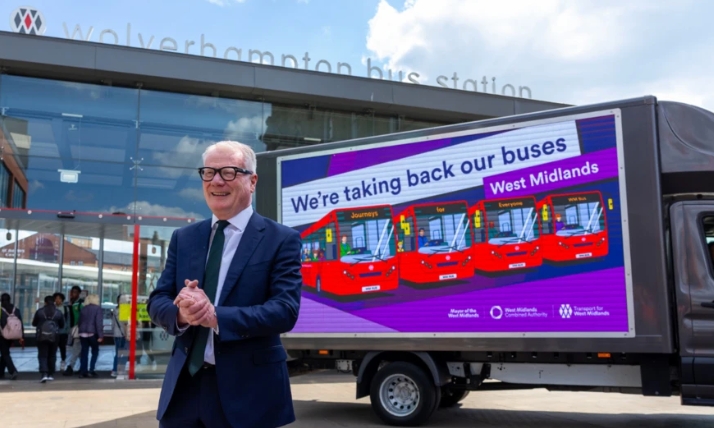
Transport for West Midlands is preparing to invite operators to compete for the first franchised bus contracts, marking a major milestone in plans to bring routes, fares and timetables back under public control.
The West Midlands' transition to a franchised bus network is entering a significant new phase, with operators set to be invited to bid for the first contracts that will reshape public transport across the region.
Transport for West Midlands (TfWM) is expected to launch the first procurement process later this month, covering services in North and East Birmingham, Coventry and Walsall. The successful operators are scheduled to begin running the routes in 2027.
The procurement represents the first practical step in delivering Mayor Richard Parker's commitment to replace the existing deregulated system with a London-style franchising model.
Three-Phase Rollout
The transformation of the network will be introduced in stages over the next several years.
Following the first package of contracts, a second procurement round covering Dudley, Sandwell and Wolverhamptonis planned for 2028, before the final phase encompassing Solihull and South and West Birmingham is introduced the following year.
The phased approach is intended to allow TfWM to gradually assume responsibility for planning and managing bus services while maintaining continuity for passengers.
Public Control Over the Network
Under the franchising model, TfWM will determine routes, fares, frequencies and service standards, while private operators compete to deliver services under contract.
The approach mirrors the system used successfully in London and more recently adopted by several other city regions across England.
Supporters argue the model will allow buses to operate as a fully integrated public transport network rather than as individual commercial services.
Responding to Long-Standing Challenges
The West Midlands Combined Authority currently provides around £50 million each year to support bus services across the region.
Despite this investment, many communities have continued to experience service reductions and fare increases under the existing commercially operated system.
Regional leaders believe franchising will provide greater control over how public funding is spent while enabling services to be planned around passenger needs rather than commercial viability alone.
A Key Mayoral Commitment
Improving bus services formed a central part of Richard Parker's successful mayoral campaign in 2024.
He has consistently argued that bringing strategic control back into public hands will allow the region to create a more reliable, affordable and accessible network that better supports residents, businesses and economic growth.
According to the Mayor, improving bus services was one of the issues most frequently raised by communities and business groups during the election campaign, reinforcing the need for fundamental reform.
With the procurement process now about to begin, the West Midlands moves a step closer to becoming the latest English city region to adopt bus franchising, ushering in a new era of publicly planned transport services across the metropolitan area.

Comments