The Friday Blog | The Future of Transport Investment Under an Andy Burnham Premiership: A Vision for the UK’s Infrastructure
- Safer Highways
- Oct 9, 2025
- 3 min read

Updated: Oct 10, 2025
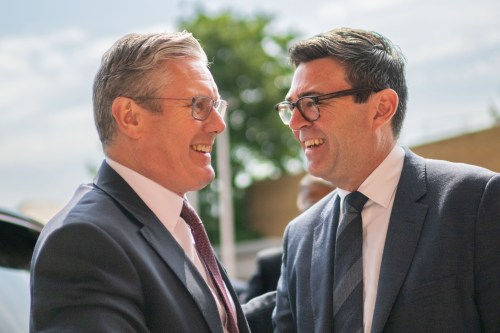
Imagine in the future a dynamic shift in politics which sees the current "King of Manchester" become our next PM. What would that mean for the UK and specifically our transport and infrastructure. Here Insight takes a look at exactly what that could mean.
As the political landscape shifts, the prospect of Andy Burnham ascending to the role of Prime Minister has ignited discussions about the future of the UK's transport infrastructure.
Burnham's tenure as Mayor of Greater Manchester has been marked by ambitious initiatives aimed at transforming the region's transport network, notably through the development of the Bee Network, an integrated system encompassing walking, cycling, and public transport.
His leadership has garnered positive public sentiment, with recent polling indicating strong support for his policies.
A Commitment to Integrated Transport Systems
Burnham's approach to transport has been characterized by a commitment to creating a cohesive and sustainable network. Under his guidance, Greater Manchester has seen significant investments in active travel infrastructure, including the expansion of cycle lanes and pedestrian pathways. The Bee Network aims to provide residents with seamless connectivity across the city-region, reducing reliance on private vehicles and promoting healthier lifestyles.
Should Burnham become Prime Minister, it is anticipated that he would advocate for similar integrated transport systems nationwide. His track record suggests a focus on long-term planning and investment in infrastructure that prioritizes accessibility, sustainability, and public health. This vision aligns with broader national objectives to reduce carbon emissions and alleviate congestion in urban areas.
Active Travel: A Cornerstone of Policy
Central to Burnham's transport strategy is the promotion of active travel—encouraging walking and cycling as primary modes of transportation. This initiative not only addresses environmental concerns but also aims to improve public health outcomes by reducing air pollution and promoting physical activity. Under his leadership, Greater Manchester has committed to delivering 176 kilometers of high-quality walking, wheeling, and cycling routes by 2027.
On a national scale, Burnham's policies would likely support the expansion of active travel networks, aligning with recent government investments such as the £300 million funding for new walking and cycling schemes.
By integrating these initiatives into a cohesive national strategy, Burnham could facilitate a shift towards more sustainable and health-conscious transportation options across the UK.
Public Transport: Reimagining Ownership and Accessibility
A significant aspect of Burnham's transport policy is the emphasis on public ownership and control of transport services. He has been a vocal advocate for the re-nationalization of bus services, arguing that public ownership ensures better service quality and accountability. Under his leadership, Greater Manchester has successfully integrated its bus services into the Bee Network, resulting in increased ridership and improved service reliability.
Should Burnham ascend to the premiership, it is expected that he would push for similar reforms at the national level. This could involve revisiting the privatization of rail services and exploring models that prioritize public interest over profit. Such a shift could lead to more affordable and accessible public transport options, particularly in underserved regions.
Economic Implications and Funding Strategies
Implementing these ambitious transport policies would require substantial investment. Burnham has previously suggested alternative funding mechanisms, such as introducing a tourist tax, to generate revenue for public transport improvements without placing additional strain on the national treasury.
While such proposals would require careful consideration and political negotiation, they reflect a willingness to explore innovative solutions to funding challenges.
Moreover, the economic benefits of investing in sustainable transport infrastructure are well-documented. Improved public transport systems can stimulate local economies, create jobs, and reduce healthcare costs associated with air pollution and sedentary lifestyles. By framing transport investment as a catalyst for economic growth, Burnham could garner broader support for his policies.
Public Support and Political Feasibility
Burnham's policies have resonated with the public, as evidenced by his strong approval ratings and the success of the Bee Network in Greater Manchester. His pragmatic approach to governance and focus on tangible outcomes have bolstered his reputation as a capable and visionary leader. However, transitioning from regional mayor to national leader presents significant challenges, including navigating complex political dynamics and securing cross-party support for his transport agenda.
Nonetheless, Burnham's track record suggests that he possesses the political acumen and determination necessary to drive his transport policies forward. His collaborative approach, demonstrated through partnerships with other regional mayors and stakeholders, indicates a willingness to build consensus and work towards common goals.
Conclusion
Andy Burnham's vision for the UK's transport infrastructure emphasizes sustainability, public ownership, and active travel. His policies aim to create a cohesive and accessible transport network that prioritizes the needs of communities and the environment. Should he become Prime Minister, it is anticipated that he would advocate for national strategies that mirror the successes achieved in Greater Manchester, fostering a transport system that is equitable, efficient, and forward-thinking. While challenges exist, Burnham's leadership and commitment to his principles position him to potentially reshape the UK's transport landscape for the better.


Comments