Households Paying the Price as UK Falls Behind on Electrification, Warn Climate Advisers
- Safer Highways
- 5 days ago
- 3 min read

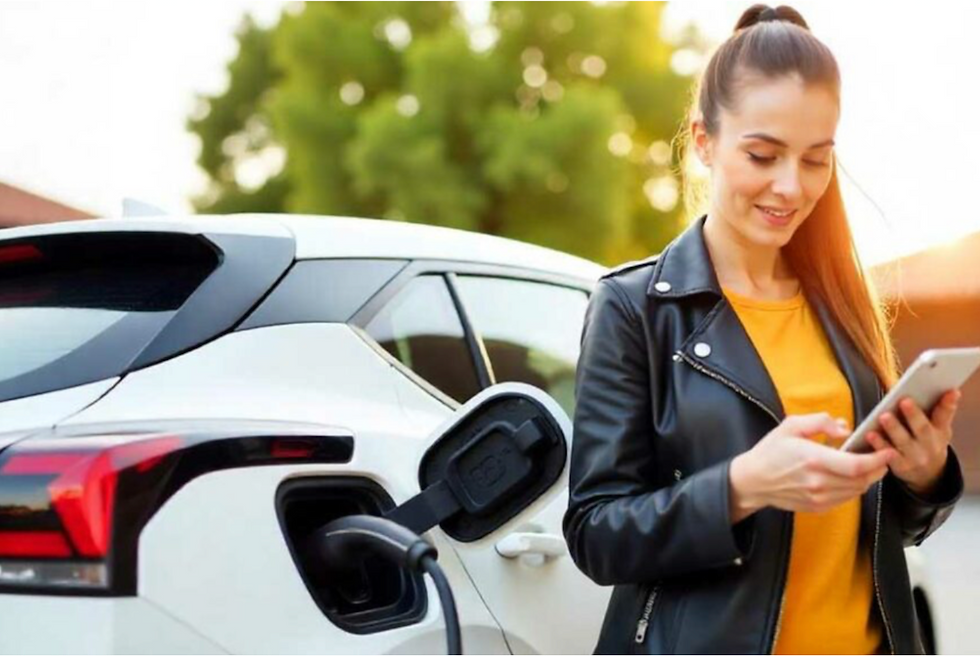
In its latest annual assessment of the UK's progress towards net zero, the Climate Change Committee (CCC) says while emissions continue to fall and momentum is building in sectors such as renewable energy and electric vehicles, progress on electrifying homes and industry has slowed significantly.
The report argues that accelerating the switch to clean electricity could not only help meet future climate targets but also protect families from volatile global gas and oil prices.
Overall UK greenhouse gas emissions fell by 1.8% during 2025, with the Committee reporting that the country remains on course to meet its fourth and fifth carbon budgets. Strong growth in electric vehicle sales, record levels of renewable energy procurement and continued investment in peatland restoration were highlighted as key successes.
However, the CCC warns that the pace of electrification is now uneven, with some sectors lagging well behind where they need to be.
Heat pump installations in existing homes increased by just 7% over the past year, a sharp slowdown compared with 56% growth recorded the previous year. The report also found that electricity accounted for a slightly smaller share of industrial energy consumption than in 2024, suggesting progress in decarbonising manufacturing has stalled.
According to the Committee, the continued reliance on fossil fuels is leaving households increasingly exposed to international energy market volatility.
New analysis published alongside the report suggests that since the outbreak of conflict involving Iran, households using gas boilers and petrol vehicles have experienced energy cost increases almost four times greater than those using heat pumps and electric vehicles.
The Committee estimates that a typical household combining an electric vehicle, a heat pump, rooftop solar panels and a time-of-use electricity tariff could currently reduce annual energy bills by around £1,200, with savings rising to approximately £1,900 for some rural households.
Nigel Topping CMG, Chair of the Climate Change Committee, said:
"The cost-of-living crisis continues to put pressure on households, with people paying the price of another fossil fuel price shock, so close to the crisis in 2022.
"The transition to clean electricity is not happening fast enough. Government support to accelerate the shift to electric vehicles and heat pumps is critical, not only to keep our climate targets within reach but to unlock savings. At this moment of political uncertainty, any weakening of current positions risks slowing these transitions, undermining investment and the long-term consistency businesses need.
"This is about more than targets, it's about cleaner air, energy security and shielding the economy from fossil fuel shocks. Ultimately this is about putting money back into people's pockets."
The report also concludes that existing government policies currently provide credible delivery for only 58% of the emissions reductions required for the UK's 2030 Nationally Determined Contribution under the Paris Agreement, leaving a significant policy gap over the remainder of the decade.
To address this, the Committee is urging ministers to accelerate the transition to electrification across homes, transport and industry.
Its recommendations include reducing the cost of electricity by removing remaining policy costs from electricity bills, expanding affordable public charging infrastructure to encourage greater uptake of electric vehicles, increasing support for heat pump installations—particularly for lower-income households—and speeding up electricity grid connections to enable industrial businesses to electrify more rapidly.
The Committee argues that while the UK continues to make steady progress towards its long-term climate objectives, maintaining momentum will require faster deployment of low-carbon technologies and greater policy certainty if consumers and businesses are to realise the full economic benefits of the energy transition.



Comments