£455bn Net Zero Investment Pipeline Creates Major Opportunities for UK Construction Sector
- Safer Highways
- Jun 7
- 4 min read

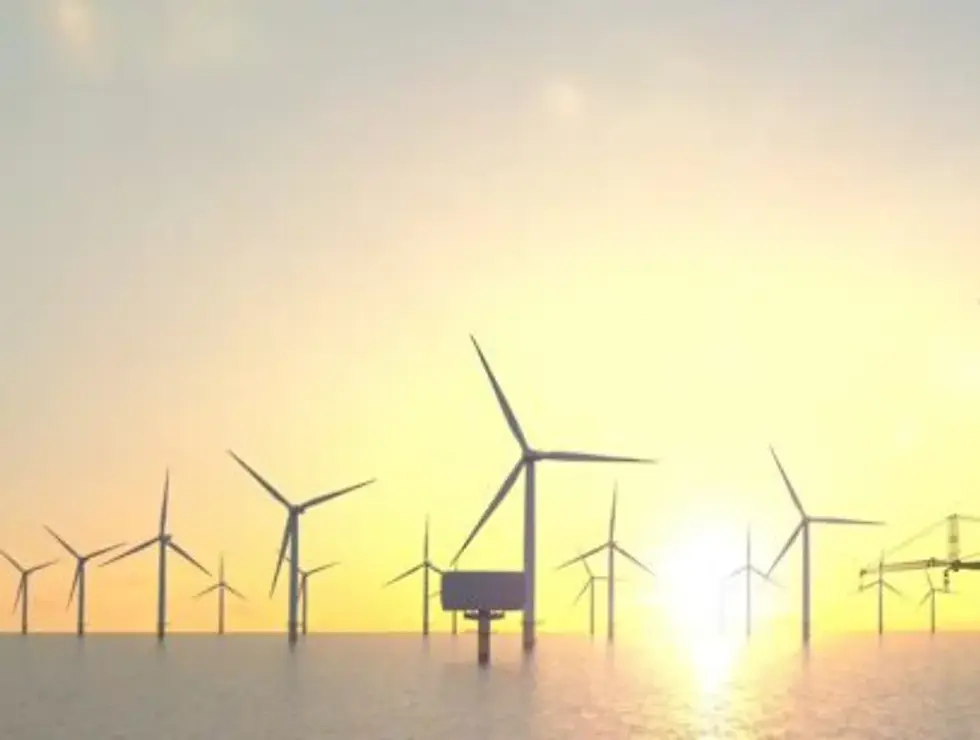
The UK's drive towards a low-carbon economy is generating an unprecedented wave of infrastructure investment, creating a long-term pipeline of work worth an estimated £455 billion across renewable energy, electricity networks and clean technology projects.
New analysis from the Energy & Climate Intelligence Unit (ECIU) highlights the scale of the opportunity, identifying more than 260GW of renewable energy projects at various stages of development. The investment programme is expected to drive significant demand for construction, engineering and specialist infrastructure services across every region of the UK.
A substantial proportion of the immediate workload is linked to electricity transmission upgrades. The report estimates that around £56 billion will need to be invested in grid infrastructure over the next five years to ensure renewable energy generation can be connected efficiently to homes, businesses and industrial users.
This work will require extensive civil engineering, substation development, cable installation and specialist electrical construction, alongside upgrades to existing transmission assets.
Grid Reinforcement Becomes a National Priority
The rapid expansion of renewable energy generation is placing increasing pressure on the UK's electricity network. Projects currently in the development pipeline include approximately 130GW of battery storage capacity, 48GW of offshore wind, 45GW of solar generation and nearly 23GW of onshore wind developments.
With a significant proportion of these schemes already under construction or progressing through development stages, network reinforcement has become essential to avoid delays and connection bottlenecks.
Transmission projects will involve a wide range of construction activities, from new substations and converter stations to underground and subsea cable routes. Offshore wind developments in Scotland and the North Sea will require extensive onshore infrastructure, while renewable energy schemes across England and Wales will depend on upgraded transmission capacity to export power to consumers.
The scale of investment provides contractors with a sustained pipeline of work extending well beyond the current decade.
Net Zero Economy Continues to Expand
The report estimates that the UK's net zero economy now contributes approximately £105 billion annually to national economic output and supports more than one million jobs.
Workers employed across the sector generate significantly higher economic value than the national average, reflecting the specialist skills required to deliver energy transition projects. Average productivity levels are reported to be nearly 50% higher than the wider UK economy.
According to industry leaders, the net zero sector has become a core component of the country's industrial base, supporting activity across energy, construction, manufacturing, infrastructure and professional services.
Diverse Infrastructure Pipeline
While transmission infrastructure represents the most immediate opportunity, the wider pipeline includes a broad mix of major construction projects.
Nuclear developments continue to play an important role, with Hinkley Point C remaining one of the UK's largest and most technically complex infrastructure programmes. The facility is expected to generate low-carbon electricity for decades once operational.
Scotland's proposed pumped storage hydroelectric schemes, including Glen Earrach and Coire Glas, represent another significant source of future workload. These projects require large-scale tunnelling, dam construction, underground caverns and specialist mechanical installations.
Battery energy storage facilities are also being developed across multiple regions, creating demand for industrial construction and electrical infrastructure expertise.
Meanwhile, the UK's growing offshore wind sector continues to require specialist marine engineering, foundation installation, turbine assembly and subsea cable construction. Onshore renewable energy projects, including solar farms and wind developments, are generating additional demand for earthworks, electrical systems and grid connection infrastructure.
Hydrogen production, storage and distribution projects are also emerging as an important part of the UK's industrial decarbonisation strategy.
Supply Chain Opportunities Across the UK
The economic benefits of the net zero transition extend well beyond project developers. The report estimates that every pound generated directly by the sector creates an additional £1.85 of economic activity through supply chains and supporting industries.
Supply chain businesses are already benefiting from growing demand, supporting more than half a million jobs nationwide.
Different regions are developing specialist expertise aligned to local opportunities. The Midlands, Yorkshire and Wales have become increasingly important centres for low-carbon manufacturing, while areas such as Somerset are attracting major investment in battery production facilities.
The planned Agratas gigafactory, for example, is expected to strengthen domestic battery manufacturing capabilities and create thousands of jobs within the wider supply chain.
Small and medium-sized enterprises are expected to play a central role in delivering the transition, with the vast majority of businesses operating within the net zero economy classified as SMEs.
Preparing for Long-Term Growth
For construction businesses, the scale and duration of the investment pipeline presents a significant opportunity to build specialist expertise and secure long-term workloads.
Companies involved in renewable energy infrastructure, electricity networks, battery storage, industrial decarbonisation and associated engineering services are particularly well positioned to benefit from future investment.
However, industry leaders warn that continued investment in workforce development and technical training will be essential to meet growing demand. As the sector expands, firms that develop green skills and technical capability are likely to gain a competitive advantage.
With projects planned across every region of the country and investment extending over several decades, the UK's transition to net zero is increasingly being viewed not only as an environmental objective, but also as one of the largest construction and infrastructure opportunities of the modern era.


Comments